THE CHARM OF ORDINARY THINGS
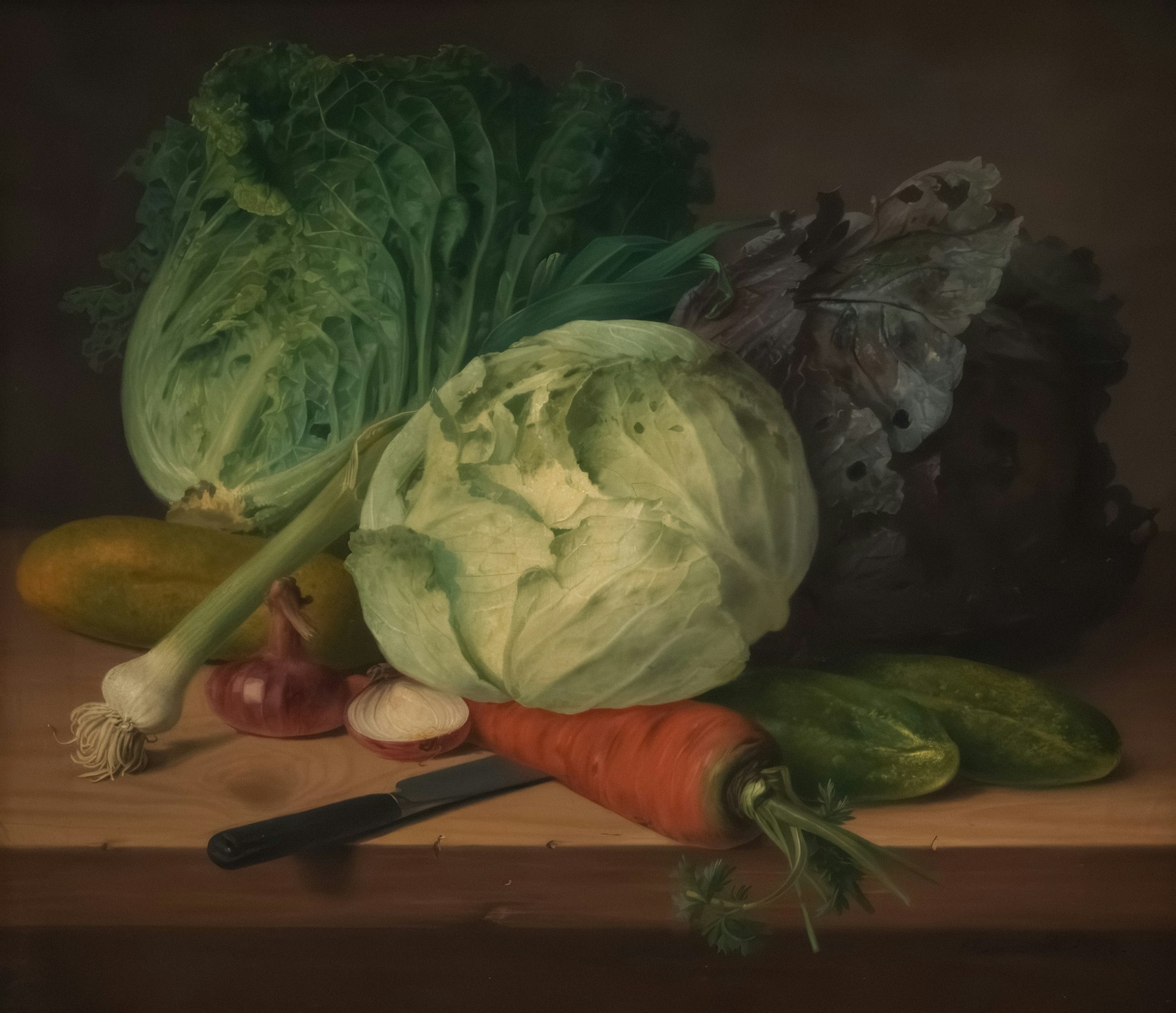
A French-inspired love letter to humble vegetables.
There is something rather wonderful happening in the vegetable world.
The humble cabbage is having a moment. Carrots are stepping out of their supporting roles. And the leek—long appreciated in French kitchens—is finally getting the attention it deserves.
Perhaps we’ve underestimated these everyday ingredients.
For years, vegetables have often been treated as the supporting cast: something green beside the chicken, a little color alongside the fish, a necessary addition to an otherwise complete plate.
But what if we gave them the starring role?
This November, I’m embracing a more vegetable-forward way of cooking. Not because I’m giving anything up, but because there’s so much to discover.
A cabbage can become golden and caramelized. A carrot can transform into something sweet, savory and unexpectedly elegant. And a simple leek, treated with a little patience, can become the most delicious thing on the table.
It’s a philosophy that feels wonderfully French: start with good ingredients, respect the season, and allow simple things to become extraordinary.
Welcome to The Vegetable Renaissance.
La beauté des choses simples.
I. THE VEGETABLE RENAISSANCE
A Little French Market Philosophy
One of the things I love most about French food culture is the idea of cuisine du marché—cooking inspired by what looks beautiful and fresh at the market.
Rather than beginning with a complicated recipe and searching for its ingredients, the market itself becomes the inspiration. Seasonal ingredients.
A beautiful bunch of carrots. A cabbage with deeply textured leaves. Leeks still carrying a little earth from the field.
These are the kinds of ingredients that invite us to cook.
And perhaps the most interesting thing about vegetable-forward cooking is that it encourages creativity. Without a piece of meat at the center of the plate, we begin to think differently about texture, color and flavor.
Something creamy needs something crisp. Something earthy might benefit from a little acidity. A roasted vegetable becomes even more interesting with fresh herbs, toasted nuts or a spoonful of something tangy.
Suddenly, the vegetable isn’t the side dish.
It’s the reason for dinner.
II. THREE VEGETABLES, THREE PERSONALITIES
An edible little portrait gallery.
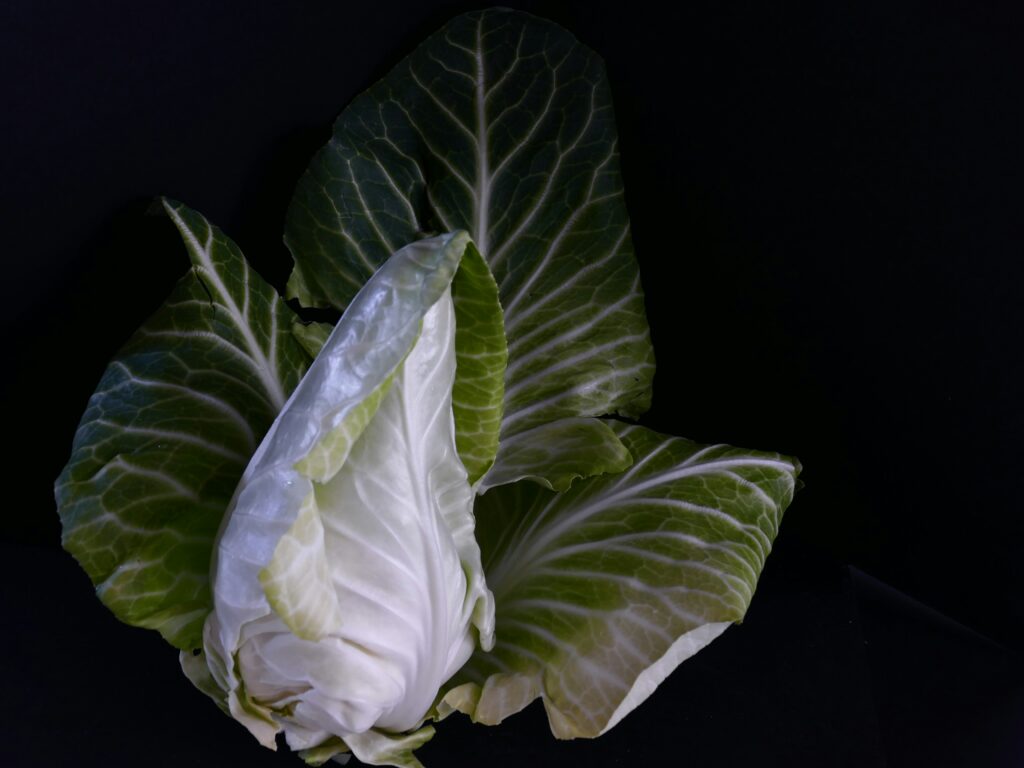
LE CHOU — THE UNDERESTIMATED ONE
Cabbage may be one of the least glamorous vegetables in the produce aisle.
And yet, look a little closer.
Its leaves are beautifully layered, its colors range from pale green to deep purple, and its possibilities are almost endless.
Cabbage can be crunchy and bright, silky and tender, or deeply caramelized with crisp golden edges.
In France, cabbage has long appeared in comforting regional dishes, from rustic soups to chou farci, or stuffed cabbage.
But today, I’m giving it a slightly more modern interpretation.
Golden Cabbage Wedges with Dijon Butter, Crispy Chickpeas & Walnuts
Ingredients
- 1 small green or Savoy cabbage
- 1 can 15 oz chickpeas, drained, rinsed and dried
- 1½ tbsp olive oil
- 1 tbsp unsalted butter
- 2 tsp Dijon mustard
- 1 tsp lemon juice
- ¼ cup chopped walnuts
- 1 tbsp chopped fresh parsley
- Sea salt and freshly ground black pepper
Instructions
- Preheat the oven to 425°F / 220°C. Cut the cabbage into four wedges, keeping a little of the core intact so the leaves hold together.
- Arrange the cabbage on a large baking sheet. Scatter the chickpeas around it and drizzle everything with olive oil. Season with salt and pepper.
- Roast for 25–35 minutes, carefully turning the chickpeas halfway through, until the cabbage is tender with deeply golden edges and the chickpeas are crisp.
- Meanwhile, melt the butter gently in a small saucepan. Whisk in the Dijon mustard and lemon juice.
- Transfer the cabbage to a serving platter. Spoon over the warm Dijon butter and scatter with crispy chickpeas, toasted walnuts and parsley.
Notes
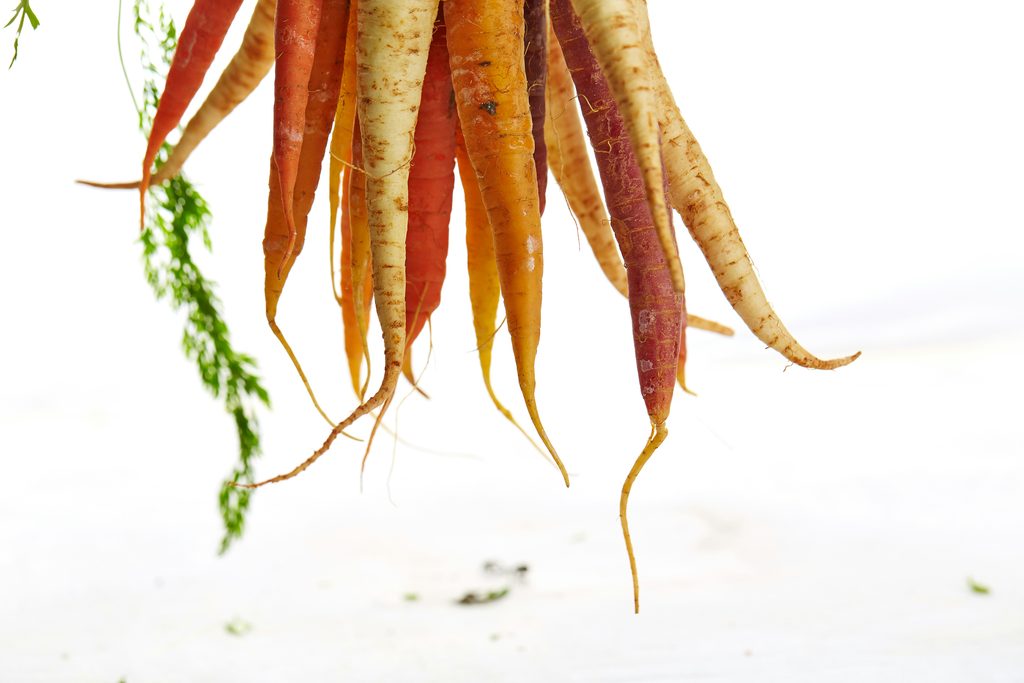
LA CAROTTE — THE CHEERFUL ONE
If cabbage is the underestimated one, the carrot is surely the cheerful one.
Bright, sweet and wonderfully familiar, carrots are often the first vegetable we learn to love.
But they have a sophisticated side, too.
Roasting concentrates their natural sweetness. A little thyme brings an earthy note, while tangy goat cheese offers a beautiful contrast.
And tucked into a buttery pastry, the ordinary carrot becomes something rather special.
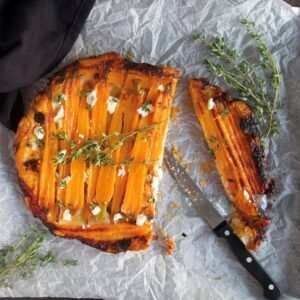
Rustic Carrot Tart with Whipped Chèvre, Thyme & Honey
Ingredients
- 1 sheet puff pastry approximately 8–9 oz
- 4 medium carrots peeled and sliced into thin ribbons
- 3 oz soft goat cheese
- 2 tbsp plain Greek yogurt
- 1 tbsp olive oil
- 1 tsp honey
- 1 tsp fresh thyme leaves
- ½ tsp finely grated lemon zest
- Sea salt and freshly ground black pepper
- Optional: fresh arugula for serving
Instructions
- Preheat the oven to 400°F. Line a baking sheet with parchment paper.
- Toss the carrot ribbons with olive oil, thyme, salt and pepper. Roast on a separate baking sheet for about 8–10 minutes, just until beginning to soften.
- In a small bowl, whip the goat cheese with the Greek yogurt and lemon zest until smooth and spreadable.
- Unfold the puff pastry onto the lined baking sheet. Spread the whipped chèvre over the center, leaving a 1-inch border.
- Arrange the carrot ribbons over the cheese, folding and overlapping them for a slightly rustic appearance.
- Fold the pastry edges inward and bake for 20–25 minutes, or until the pastry is puffed and golden and the carrots are tender.
- Drizzle lightly with honey and finish with a few fresh thyme leaves.
- Serve warm with a little arugula dressed in lemon and olive oil.Who knew a few carrots could feel so wonderfully French?
Notes
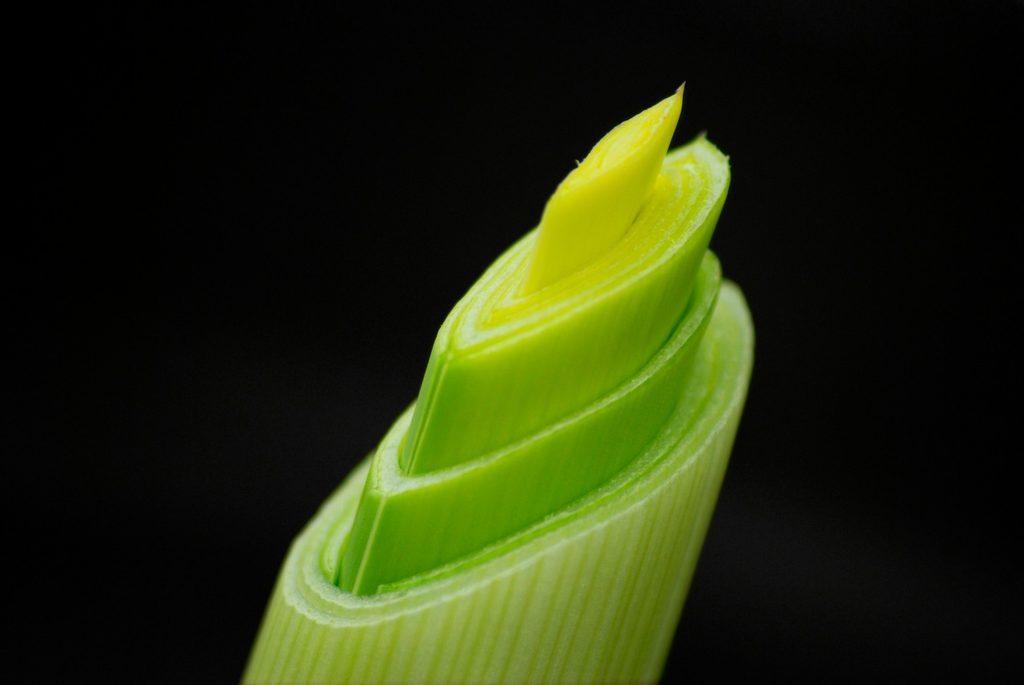
LE POIREAU — THE ELEGANT ONE
In France, even the leek – so often tucked into soups and stews – can become the star of the table. Gently cooked, dressed with mustard and shallots, and finished with toasted hazelnuts, it reminds us that elegance doesn’t always require elaborate ingredients. Sometimes it simply requires a little attention.
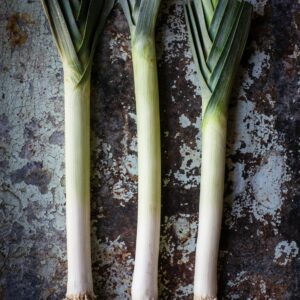
French Leeks with Dijon-Shallot Vinaigrette & Toasted Hazelnuts
Ingredients
- 4 medium leeks
- 1 tbsp white wine vinegar
- 1 tsp Dijon mustard
- 1 small shallot very finely minced
- 3 tbsp extra-virgin olive oil
- 1 tsp fresh lemon juice
- 2 tbsp toasted hazelnuts roughly chopped
- 1 tbsp fresh parsley finely chopped
- Sea salt and freshly ground black pepper
Instructions
- Prepare the leeks. Trim away the dark green tops and root ends, keeping the white and pale green portions intact. Slice each leek lengthwise from just below the top, leaving the base attached. Rinse thoroughly between the layers to remove any soil.
- Cook until tender. Bring a large pot of salted water to a gentle simmer. Add the leeks and cook for approximately 12–18 minutes, depending on their thickness, until completely tender when pierced with a knife.
- Drain and dry. Carefully lift the leeks from the water and place them on a clean kitchen towel. Allow them to drain well and cool until just warm.
- Make the vinaigrette. Whisk together the vinegar, Dijon, shallot, lemon juice, salt, and pepper. Slowly whisk in the olive oil until emulsified.
- Dress and serve. Arrange the warm leeks on a serving platter. Spoon the vinaigrette generously over them. Finish with toasted hazelnuts and fresh parsley.
- * A little variation: A few shavings of Parmesan or a soft-boiled egg make this a more substantial lunch.
Notes
III. LE PETIT LEXIQUE GOURMAND
A Little Dictionary of the French Vegetable Kitchen
French cooking has a wonderful vocabulary for the many ways vegetables can be transformed.
And sometimes learning a new culinary word is enough to make an ordinary ingredient feel a little more interesting.
À l’étuvée
Vegetables cooked gently, usually covered, with a little fat and moisture. Think tender leeks or cabbage slowly softened until sweet.
En papillote
Ingredients enclosed in parchment paper and cooked in the oven, allowing them to steam in their own fragrant juices.
Fondant
Literally, melting. A lovely word for vegetables cooked until wonderfully tender.
À la paysanne
A rustic, country-style preparation, often referring to vegetables cut into thin, simple shapes.
Glacé
Vegetables gently cooked with a little liquid, butter and sometimes sugar until coated in a delicate, glossy glaze.
Mirepoix
A classic mixture of diced aromatic vegetables, traditionally onion, carrot and celery, used to build flavor in soups, sauces and braises.
These aren’t complicated techniques reserved for restaurant kitchens. They’re simply different ways of bringing out the best in ingredients we already know.
And isn’t that rather wonderful?
IV. ONE VEGETABLE, THREE WAYS
The Little Cabbage Experiment
Before November disappears into the holiday season, I have a small culinary invitation.
Choose one vegetable you usually overlook.
Perhaps it’s cabbage. Maybe it’s a turnip, a rutabaga or a bunch of slightly intimidating leeks.
So, how about preparing that vegetable three different ways?
For example, cabbage can be transformed into something quite different depending on how it’s prepared:
Something Fresh: Finely shredded cabbage tossed with lemon, Dijon mustard, olive oil and parsley.
Something Golden: Thick cabbage wedges roasted until the edges become caramelized and crisp.
Something Silky: Thinly sliced cabbage gently braised with shallots, thyme and a splash of vegetable broth.
The same ingredient. Three entirely different personalities.
No complicated shopping list. No elaborate technique.
Just a little curiosity.
And perhaps that’s what I love most about this new way of cooking: it reminds us that the kitchen can still be a place of discovery.
Not every meal needs to be a masterpiece.
Sometimes all it takes is a cabbage—and the willingness to see it differently.
La beauté des choses simples.
À bientôt! 🥬